
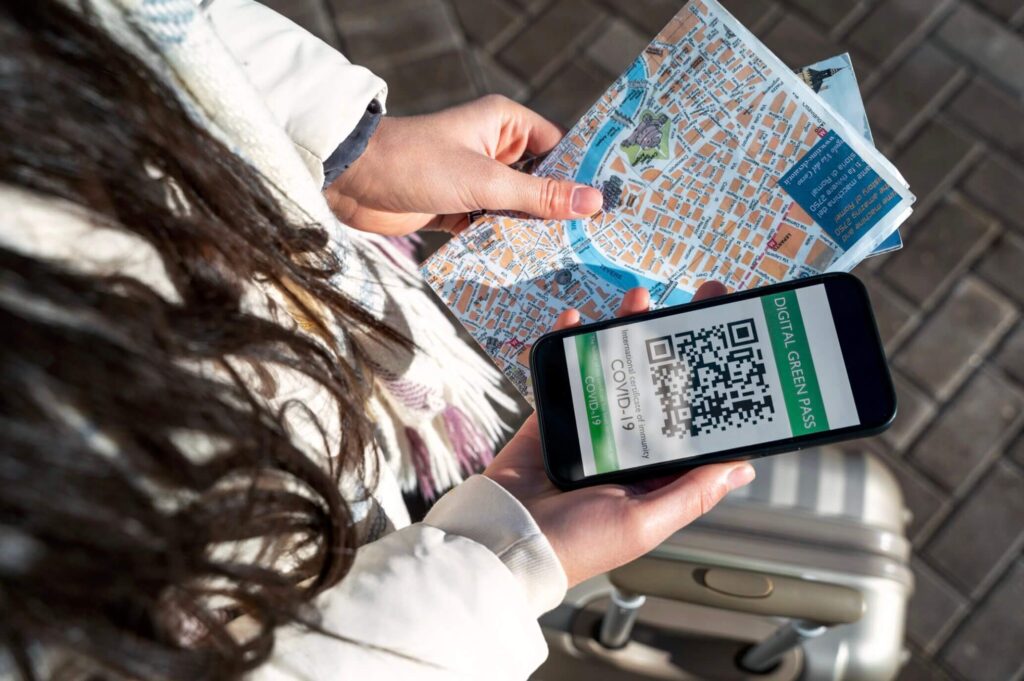
Tourism today goes beyond physical exploration. Visitors now expect instant information, easy navigation, and interactive experiences throughout their journey. This is especially true in lake destinations, where relaxation is important, but real-time guidance is equally valuable.
Many lake-based destinations are now adopting digital tools to improve visitor engagement, enhance safety, and streamline access to services. Among these tools, QR codes stand out as a simple yet powerful solution.
From trail details and boat rentals to safety instructions, QR codes are changing how visitors interact with lake environments. They connect physical spaces with digital information, making the overall experience more seamless, efficient, and engaging.
What Are QR Codes and Why Are They Important for Tourism?
QR codes are scannable barcodes that instantly direct users to digital content such as websites, maps, videos, PDFs, or booking pages. For tourism, they act as a connection point between physical locations and digital experiences. At lake destinations, QR codes can be placed on:
- Trail signs
- Campsite boards
- Boat rental stations
- Visitor centers
- Safety instructions panels
- Parking areas
- Local attraction signage
When scanned, they provide real-time information that enhances visitor decision-making. This eliminates the need for printed brochures and reduces confusion for first-time visitors.
What are The Key Ways QR Codes Are Improving Lake Tourism Experiences?
QR codes are not just a convenience tool; they are actively reshaping how visitors interact with lake destinations. From planning activities to navigating large outdoor spaces, they help bridge the gap between physical environments and digital information. This makes lake tourism more efficient, informative, and visitor-friendly. Below are some of the key ways QR codes are improving the overall lake tourism experience:
Enhancing Visitor Experience Through Instant Information Access
One of the biggest advantages of QR codes in lake tourism is instant information delivery. Instead of searching online or asking staff, visitors can simply scan a code to access:
- Lake maps and navigation guides
- Fishing regulations and seasonal updates
- Weather alerts and water conditions
- Wildlife safety instructions
- Camping rules and check-in details
This improves the overall visitor journey by reducing friction and making information accessible at the exact moment it is needed.
For example, many parks now use a QR code generator to create location-based codes that instantly connect visitors to digital resources without requiring app downloads.
Self-Guided Tours and Interactive Exploration
QR codes are also transforming how visitors explore lakeside destinations independently. Self-guided tours are becoming increasingly popular because they allow tourists to explore at their own pace. By placing QR codes along trails, docks, and scenic points, visitors can unlock rich digital content. This may include:
- Historical insights about the lake
- Audio guides explaining natural features
- Wildlife information
- Video storytelling about local culture
- Interactive maps for hiking or boating routes
This creates a museum-like experience in nature, where every stop becomes informative and engaging.
Improving Safety and Emergency Communication
Safety is a critical aspect of lake tourism. Water activities, hiking, and camping all carry some level of risk, making clear communication essential. QR codes significantly improve safety by offering:
- Emergency contact information
- First aid instructions
- Weather alerts and storm updates
- Water depth and hazard warnings
- Boating safety guidelines
- Lost and found reporting forms
In emergency situations, visitors can quickly scan a QR code rather than searching for help manually. This reduces response time and ensures better preparedness for both tourists and park authorities.
Streamlining Boat Rentals and Visitor Services
Lake destinations often involve multiple services such as boat rentals, fishing permits, camping reservations, and guided tours. QR codes simplify these processes. Visitors can scan a code to:
- Book boats instantly
- Pay for permits digitally
- Check the availability of campsites
- Register for guided tours
- Access rental instructions
This reduces queues at counters and improves operational efficiency for tourism authorities. It also creates a contactless experience, which modern travelers increasingly prefer.
Eco-Friendly Tourism Through QR Technology
Sustainability is becoming a key focus in tourism. QR codes help reduce environmental impact by minimizing the need for printed materials. Instead of brochures, maps, and flyers, all information can be accessed digitally through a scan. Benefits include:
- Reduced paper waste
- Lower printing costs
- Less physical clutter in visitor areas
- Easy updates without reprinting materials
This aligns perfectly with eco-tourism initiatives at natural destinations like lakes and national parks.
Real-Time Updates and Dynamic Content
Unlike printed signage, QR codes can be updated without changing the physical code itself (when using dynamic QR systems). This means lake authorities can update:
- Weather warnings
- Event schedules
- Fishing regulations
- Parking availability
- Seasonal restrictions
Visitors always get the most current information, which is crucial in outdoor environments where conditions change frequently.
Marketing and Visitor Engagement Opportunities
QR codes are not just informational tools; they are also powerful marketing assets. Tourism boards and lake authorities can use them to:
- Promote upcoming events
- Share promotional videos
- Collect visitor feedback
- Encourage social media engagement
- Provide discount offers for local services
For tracking marketing performance, platforms such as Google’s Campaign URL Builder help generate UTM-tagged links that show where visitors are coming from and how they interact with content.
How QR Codes Improve Navigation at Lake Destinations?
Navigation is often a challenge in large lake areas with multiple entry points, trails, and water routes. QR codes solve this problem by linking directly to:
- Google Maps locations
- Parking areas
- Boat ramps
- Hiking trails
- Campsites
Visitors can simply scan and get instant turn-by-turn directions. This reduces confusion and enhances accessibility, especially for first-time visitors.
What Is The Future of Smart Tourism at Lakes?
The future of lake tourism is becoming increasingly digital. QR codes are just the beginning of a larger shift toward smart tourism ecosystems. In the future, QR codes may integrate with:
- Augmented reality experiences
- AI-powered travel assistants
- Personalized travel itineraries
- Real-time crowd monitoring systems
- Interactive environmental education tools
Conclusion
QR codes are transforming how visitors explore, interact with, and experience lake destinations. From improving safety and navigation to enabling self-guided tours and sustainable tourism, their impact is significant and growing. As visitor expectations continue to evolve, tools like QR codes will play a central role in delivering seamless, informative, and engaging outdoor experiences.