
Every boat owner knows the real work begins after the purchase. Keeping it protected and in peak condition year-round takes planning. Most boat owners are diligent about the obvious tasks, such as washing down the hull after a saltwater run, checking the bilge, and making sure the engine starts.
The most expensive repairs and frustrating problems are often caused by components that receive little attention, particularly during the off-season when the boat is stored instead of being used.
Many boat owners overlook these areas, even though regular attention can help prevent expensive repairs.
The Off-Season Is When Damage Really Happens
There’s a common assumption that a boat sitting still isn’t at risk. A boat can deteriorate just as easily while it’s sitting still as when it’s in use. During storage, whether afloat, trailered, or on stands, it’s often exposed to some of the toughest conditions it will encounter.
Moisture is often the biggest culprit behind storage-related damage. When a boat sits through changing temperatures, condensation can form inside the hull, storage compartments, upholstery, and engine bay. If left unchecked, it creates the perfect environment for mold, mildew, corrosion, and wood rot, turning small issues into expensive repairs.
Proper ventilation during storage is essential for protecting your boat. Leave locker lids slightly open, use moisture-absorbing products in enclosed spaces, and if the boat is shrink-wrapped, make sure vents are installed to allow airflow.
Rodents are another issue that surprises owners. A boat sitting in a dry storage facility or on a trailer in the driveway is an attractive home for mice and squirrels, especially in the colder months. They chew through wiring, nest in engine compartments, and cause damage that’s both expensive and difficult to diagnose. A few traps and some steel wool packed into any gaps go a long way.
UV Damage Is Slow and Cumulative
People underestimate how much the sun degrades a boat over time. Gel coat fades, vinyl cracks, upholstery breaks down, and canvas weakens because of years of consistent, unprotected exposure rather than a single bad season.
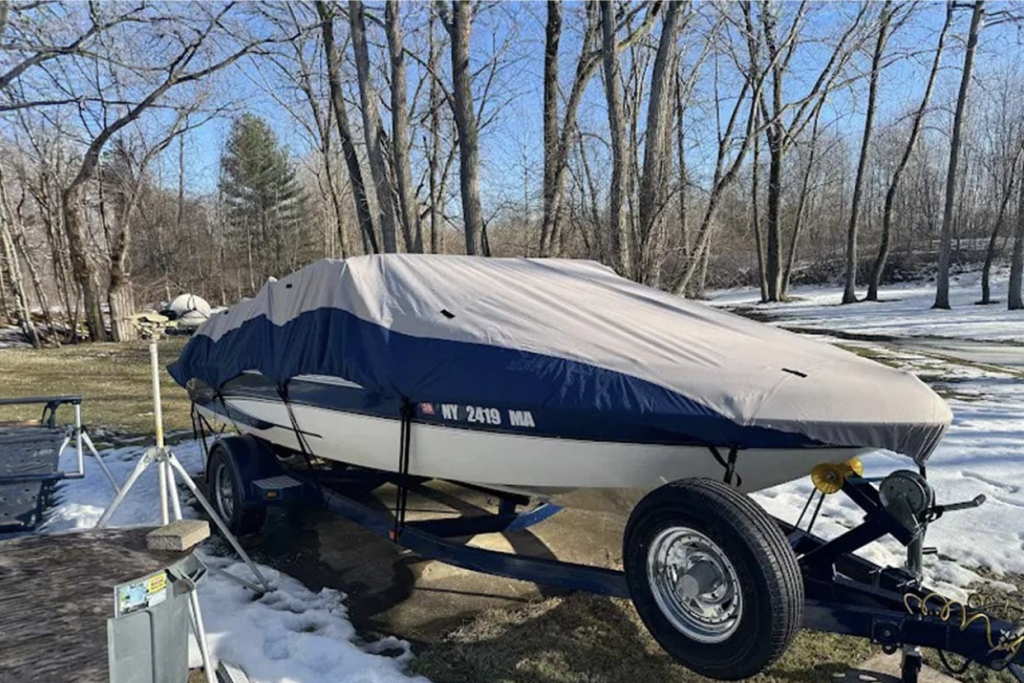
A high-quality boat cover is a worthwhile investment, but its performance depends on proper fitment and consistent use during storage. A loose-fitting cover that flaps in the wind creates friction that scratches the gel coat and wears through the canvas. A cover that pools water in the center causes stress on the material and can eventually cave in on the upholstery below.
On the water, UV protectant products applied to vinyl and rubber surfaces make a meaningful difference. It takes ten minutes and protects against the kind of slow deterioration that’s invisible in the short term but obvious after a few seasons.
The Electrical System Gets Neglected Until Something Fails
Boat electrical systems are constantly exposed to moisture, vibration, and salt air, making them especially vulnerable to wear. Connections corrode, wiring insulation degrades, and terminals loosen over time. The frustrating thing about electrical problems is that they’re often intermittent and hard to trace once they develop.
Staying ahead of this means doing a basic inspection at least once a season:
- Check all terminals and connections for corrosion. A white or greenish buildup is a sign of oxidation that needs cleaning.
- Look for any wiring that’s chafing against metal edges or resting in areas where water pools.
- Inspect the battery terminals and clean them with a wire brush if there’s any buildup.
- Test the bilge pump and float switch separately, as both are critical components that can fail without warning.
- Check navigation lights and replace any that are dimming or flickering before they go out on the water.
Dielectric grease on every connection adds a layer of protection that significantly slows corrosion. It’s cheap, takes minutes to apply, and prevents the kind of failures that leave you stranded or scrambling at the dock.
Trailer Maintenance Is an Afterthought for Most Owners
The trailer takes a beating that most owners don’t account for. It gets submerged in water, baked in the sun, and loaded with thousands of pounds on a regular basis, yet many people only check the tires and consider the job done.
The wheel bearings deserve far more attention. Bearing failure is among the most frequent and serious trailer problems, but it’s usually avoidable with proper care. Bearings should be repacked or replaced on a regular schedule, typically every season or every few thousand miles, whichever comes first. If the trailer is submerged frequently, service it even more often.
The brake system, if equipped, also needs regular inspection. Saltwater accelerates corrosion on brake components, and brake failure with a loaded boat trailer on a highway is a serious situation. Flush the system, check the pads, and inspect the actuator for any signs of deterioration.
Don’t overlook the bunk boards and rollers either. These are the contact points between the trailer and the hull. Worn bunks or damaged rollers can cause pressure points that stress or scratch the hull over time. They’re inexpensive to replace and easy to check visually.
The Bottom of the Boat Gets Ignored Until It’s a Problem
For boats kept in the water, the hull bottom is constantly exposed to fouling organisms such as barnacles, algae, and other marine growth that increase drag, reduce fuel efficiency, and can damage the gel coat over time. Antifouling paint is the standard solution, but it needs to be maintained. Most antifouling coatings are designed to last one to two seasons, but repainting is often delayed until performance has already diminished.
Even for trailered boats that don’t experience fouling, the hull bottom should be inspected for impact damage, stress cracks, and osmotic blisters, which are small bubbles in the gel coat caused by water absorption into the fiberglass. Caught early, blisters are a manageable repair. Left too long, they compromise the structural integrity of the hull and turn a minor fix into a major one. Getting underneath the boat at the start of each season with a good flashlight takes very little time and catches problems before they get expensive.
Don’t Underestimate What a Good Boat Cover Does
A quality boat cover is one of the simplest and most effective protections available, yet many owners use covers that don’t fit well, don’t breathe, or don’t get put on consistently. A loose cover that flaps in the wind causes constant friction against the gel coat and wears through the canvas at stress points, often doing more cosmetic damage than light rain would. A cover that traps humidity creates the exact conditions for mold and mildew to take hold over winter.
Fit, material, and ventilation are the three things worth getting right. A cover with built-in vents, or one that allows a storage hatch to stay slightly cracked, prevents moisture from building up inside. Used correctly every time the boat sits idle, a good cover extends the life of the upholstery, canvas, and finish in a way that’s hard to replicate with any other single investment.
Small Habits Make the Biggest Difference
Boat ownership doesn’t have to mean large, expensive repairs every few years. Most of what wears boats down prematurely comes from small, consistent neglect rather than any single catastrophic event. Fifteen minutes of attention after each use, a proper seasonal inspection before storage, and a realistic maintenance schedule are what separate boats that hold their value and reliability from those that don’t.
Long-term reliability is rarely the result of advanced mechanical knowledge. More often, it’s the product of consistent care and routine maintenance.
Author Bio
Mark Adams is a content writer and automotive research specialist at Seal Skin Covers, specializing in vehicle and outdoor protection solutions. He focuses on helping readers safeguard their investments through practical care tips, storage advice, and product insights. With a strong interest in automobiles and vehicle maintenance, Mark enjoys exploring ways to extend the life and performance of cars, trucks, and recreational vehicles.