
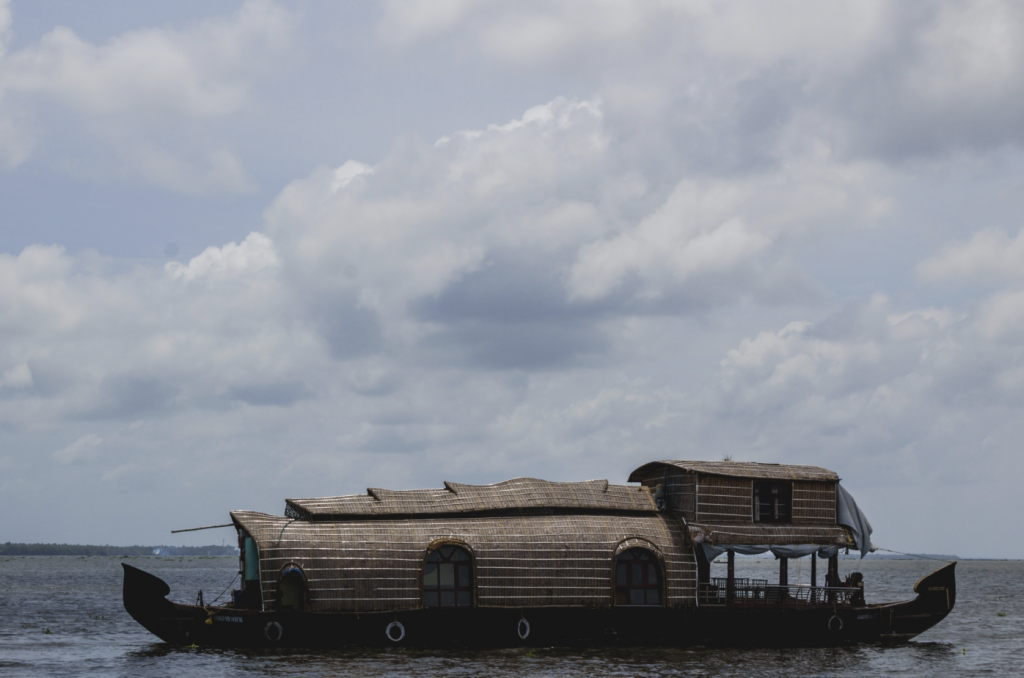
A week on a houseboat sounds pretty great.
Wake up on the water. Spend the day fishing, swimming, or exploring. Cook dinner while the sun goes down. No traffic. No busy streets. Just you, the boat, and the water.
But there is one thing you need to figure out before you leave.
Where is all the food going to go?
A houseboat kitchen is not usually built like the kitchen at home. You have less cabinet space, a smaller fridge, and limited room for bulky food packages. You also do not want to spend half your trip digging through bags and boxes just to find a can of beans.
The good news is that storing food on a houseboat does not have to be difficult.
You just need to pack smart.
Here is how to keep your food fresh, organized, and easy to reach during a week long houseboat stay.
1. Plan Your Food Before You Pack
The easiest way to create a food storage mess is to shop without a plan.
You see a snack you like, grab it. Then you buy another bag because you might need it. Before you know it, you have a pile of food and no idea where any of it is going to fit.
Instead, plan your meals before you leave.
You do not need a detailed meal plan for every single bite. Just figure out the basics.
For example:
Breakfast: Oatmeal, eggs, toast, fruit
Lunch: Sandwiches, wraps, canned tuna, leftovers
Dinner: Pasta, rice, grilled meat, beans, vegetables
Snacks: Nuts, crackers, granola bars, dried fruit
Once you know what you are eating, you can buy the right amount.
This also helps you avoid bringing food that will go bad before you get a chance to eat it.
2. Start With Foods That Are Easy to Store
Think about your food choices before you think about where to put them.
Some foods are simply easier to store on a houseboat than others.
Dry foods are usually a great starting point because many of them do not need the fridge. Rice, pasta, oats, beans, crackers, cereal, nuts, and dried fruit can all be useful for a week long trip.
Canned foods can also be handy. Canned beans, tuna, vegetables, and other ready to eat foods can give you quick meal options without taking up valuable fridge space.
The goal is not to eat boring food all week.
It is to have a mix of foods that are easy to store and foods that you actually enjoy eating.
3. Do Not Fill the Fridge With Everything
Your fridge is one of the most valuable storage spaces on the boat. Use it wisely.
Foods like meat, cheese, eggs, milk, and other foods that need to stay cold should get priority.
You do not want to waste fridge space on things that can sit safely in a cabinet.
For example, there is no reason to use half your fridge for bags of crackers or unopened cereal. Keep those in a dry storage area instead.
Before you leave, take a look at everything you plan to bring and ask:
Does this actually need to be refrigerated?
If the answer is no, keep it out of the fridge.
That one simple habit can give you a surprising amount of extra space.
4. Use Mylar Bags for Dry Food
This is especially useful if you are bringing a lot of dry food for the trip.
Mylar bags can help protect food from air, moisture, and light when they are properly sealed. They are useful for dry foods such as rice, beans, oats, pasta, and other pantry staples.
They also make it easier to organize food in a small space.
Instead of carrying several large bags and boxes, you can portion dry foods into sealed Mylar bags and pack them neatly.
For example, rather than bringing one huge bag of rice, you could divide it into smaller portions based on how much you expect to use.
That makes cooking easier too.
You grab one portion when you need it instead of opening a large package and trying to keep it organized for the rest of the trip.
Just remember that Mylar bags are best for dry foods. They are not a replacement for proper refrigeration when a food needs to stay cold.
5. Use Containers That Stack
Houseboat storage is often about using the space you already have.
Instead of throwing loose bags and packages into a cabinet, use containers that stack neatly.
Square or rectangular containers are often easier to pack than round ones because they leave fewer gaps.
You do not need to buy a whole new set of containers either. Use what you already have if it works.
The main goal is simple.
Make your food storage easy to stack, easy to see, and easy to reach.
If you have to pull five things out just to reach one bag of pasta, your storage system is going to get annoying very quickly.
6. Keep a Separate Snack Area
This sounds small, but it can make the whole trip easier. Set aside one basket, drawer, or cabinet for snacks.
Put things like granola bars, nuts, crackers, popcorn, dried fruit, and other quick foods there.
Now everyone knows where to look when they are hungry.
You also avoid the classic houseboat problem of opening every cabinet looking for something to eat.
A snack area can also help you keep track of how quickly food is being used.
If the snack basket is almost empty halfway through the trip, you know you need to slow down a little.
7. Keep Food Dry
You are on a boat. That means water is everywhere. Even if the weather is perfect, things can get wet from splashes, wet hands, spills, or a small leak.
That is not a great combination for food.
Keep dry food away from areas where water can reach it. Use sealed containers or bags for foods that can be damaged by moisture.
Avoid leaving open packages on counters overnight.
A little care here can save you from opening a bag of soggy crackers when you are hungry the next morning.
8. Store Food Above the Floor
The floor may seem like an easy place to keep extra food, especially when the cabinets are full.
But it is usually not the best choice.
Food stored on the floor can get wet more easily. It can also get in the way when people are walking around the boat.
Use cabinets, shelves, storage bins, or other raised spaces whenever possible.
If you absolutely need to store food near the floor, put it inside a sealed storage container first.
9. Bring a Cooler for Extra Cold Storage
If your houseboat fridge is small, a cooler can give you some extra room.
This can be useful for drinks, extra meat, or foods you plan to eat during the day.
Just remember that a cooler needs to stay cold enough for the food inside it. Keep it closed as much as possible and check the ice or cooling system regularly.
You do not want to discover that the food you planned for dinner has been sitting at an unsafe temperature all afternoon.
10. Keep Strong Smelling Foods Sealed
Some foods smell much stronger than others.
Fish, onions, certain cheeses, spices, and other strong smelling foods can quickly make a small space smell like the food.
Keep them sealed when you are not using them. This is even more important if you have leftovers. Do not leave leftover fish or other strong foods sitting uncovered in the fridge.
A good sealed container can make a big difference.
A Little Planning Goes a Long Way
The best houseboat food setup is one you do before you leave the dock.
Plan your meals. Buy only what you need. Choose foods that are easy to store. Protect dry foods from moisture. Make the most of your fridge. And use containers or Mylar bags to keep things organized and protected.
You will have less clutter, less food waste, and much less stress when it is time to make dinner.
And once everything is packed and organized, you can get back to the important stuff.
Getting out on the water and enjoying the trip.